
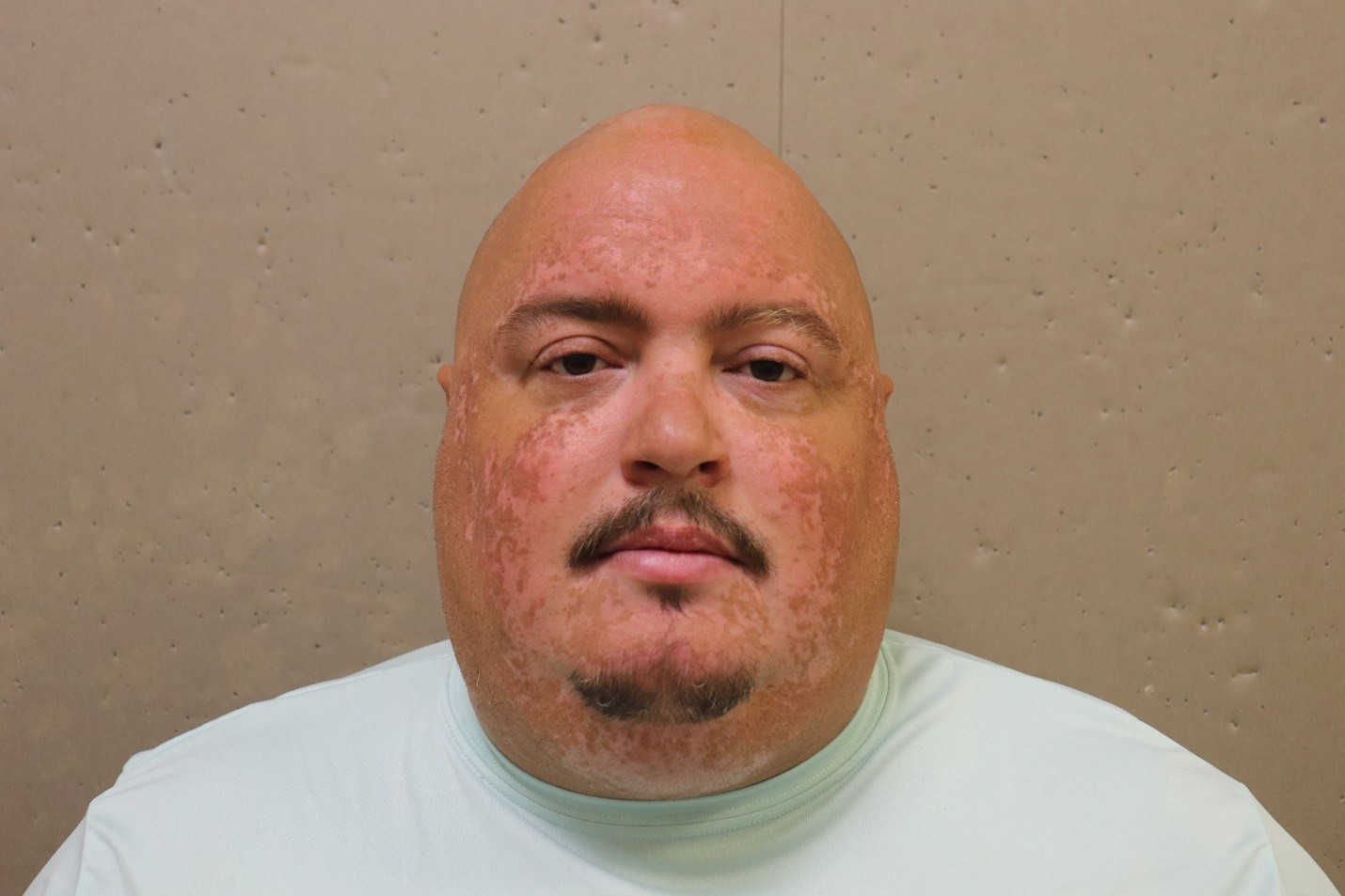
A new development in a high-profile legal case in the U.S. Virgin Islands has drawn attention to the role social media can play in ongoing criminal proceedings. Prosecutors say a St. Thomas businessman and restaurant co-owner may have violated the conditions of his bail by posting about his criminal case online.
The Case at a Glance
Brett “Mac” McClafferty, co-owner of the popular St. Thomas restaurant St. Thomas Social, is currently facing several criminal charges tied to an alleged counterfeit check scheme. Authorities say the case involves approximately $888,500 in fraudulent checks, which led to his arrest earlier this year.
After his arrest, McClafferty appeared before Superior Court Judge Julie Smith-Todman and was granted release on bail while the case proceeds. However, that release came with strict conditions — including a prohibition against discussing the case on social media.
Now prosecutors say those conditions may have been violated.
Prosecutors Cite Multiple Online Posts
According to a motion filed by the Virgin Islands Department of Justice, several Facebook posts connected to McClafferty appeared after the court issued the bail order. Prosecutors argue these posts effectively discussed the case, even if indirectly.
The government points to several specific examples:
-
A February 27 Facebook post from the McClafferty Family Foundation account referencing court documents.
-
A March 4 post from the St. Thomas Social account sharing a press release about a civil lawsuit McClafferty filed related to the case.
-
A personal Facebook story encouraging readers to view news coverage of that lawsuit.
-
A March 9 video announcement in a public Facebook group in which McClafferty announced plans to run for the Virgin Islands Legislature.
Prosecutors argue these posts amount to an attempt to discuss and defend the criminal case publicly while technically avoiding direct commentary. They claim this strategy could influence public opinion and potentially affect future jurors.
Possible Consequences
Because of the alleged posts, prosecutors have asked the court to order McClafferty to show cause why he should not face sanctions for violating the conditions of his pre-trial release. Potential outcomes could include:
-
Contempt of court
-
Modification of his bail conditions
-
Revocation of bail altogether
The court will ultimately determine whether the posts constitute a violation.
A Parallel Legal Battle
At the same time, McClafferty and his business entity have filed a civil lawsuit against Banco Popular, claiming the bank mishandled a transaction that led to the criminal investigation and his arrest. The lawsuit alleges negligence, defamation, and false arrest stemming from disputed checks connected to a planned event at the restaurant.
This parallel civil case has added another layer of complexity to an already high-profile dispute involving business, banking practices, and criminal allegations.
Social Media and the Modern Courtroom
The situation highlights a growing issue in modern legal cases: how social media activity can intersect with court orders and influence public perception. Judges frequently restrict defendants from discussing ongoing cases online in order to protect the integrity of potential jury pools and ensure a fair trial.
If the court determines that the posts violated those restrictions, it could reinforce how seriously courts view attempts to litigate a case in the court of public opinion.
What Happens Next
The court will now review the prosecution’s motion and determine whether McClafferty’s social media activity violated the terms of his bail. A hearing could decide whether penalties or stricter release conditions are warranted as the underlying criminal case moves forward.
For now, the case continues to attract attention in the Virgin Islands, where it touches on business interests, local politics, and the growing influence of social media in public controversies.